

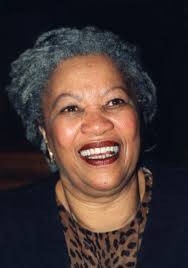
Toni Morrison was an American editor, novelist, and public intellectual whose influence extended far beyond her fiction. Before gaining international recognition as a writer, she spent nearly two decades as an editor at Random House, where she played a decisive role in shaping modern Black literature. In that position, Morrison championed and published writers whose voices were often excluded from mainstream publishing, including Angela Davis, Toni Cade Bambara, Gayl Jones, Muhammad Ali, and Henry Dumas. Her editorial work helped bring Black political, cultural, and intellectual thought into wider public circulation during a period when such perspectives were routinely marginalized.
Morrison understood publishing as a form of activism. She recognized that access to publication determines which histories are preserved and which voices are legitimized. Through her editorial choices, she challenged dominant narratives and resisted pressures to dilute Black experience for broader commercial appeal. She insisted on complexity, intellectual seriousness, and cultural autonomy, believing that Black writers should not be required to explain themselves to a presumed white audience.
As an activist intellectual, Morrison spoke and wrote extensively about race, power, language, and freedom. She argued that racism operates not only through laws and institutions but also through language itself, through metaphor, omission, and the stories societies choose to tell. Her essays and public lectures addressed state violence, historical erasure, and the moral responsibilities of artists and citizens. She rejected claims of neutrality in art and culture, maintaining that all creative work participates in systems of power whether intentionally or not.
Throughout her career, Morrison treated literature, editing, and civic responsibility as inseparable. Her legacy as an editor and activist rests in her commitment to truth telling, her defense of cultural self determination, and her insistence that Black life and imagination deserved full presence in the public record.