


Highland Lakes Homestead is excited to be preparing for The Homestead's Harvest Market this September!
We'll be bringing our selection of healthy vegetable, herb, flower, and fruit plant starts, along with seed packets to help you grow your own garden.
Stop by our booth, say hello, and support local growers. We look forward to seeing you there! 🌱
Small homestead. Big garden energy.
Highland Lakes Homestead is a small, hands-on homestead project growing heirloom seeds, vegetable starts, herbs, pumpkins, strawberries, and useful seasonal garden goods for local families, gardeners, and neighbors.
Built with soil, scraps, stubbornness, and hope.
Highland Lakes Homestead is not a polished commercial nursery. It is a real backyard homestead built from seeds, soil, buckets, crates, compost, greenhouse space, salvaged materials, family effort, and a lot of trial and error.
We grow in the real world: raised beds, containers, gutters, crates, hay bales, greenhouse experiments, compost full of worms, and whatever else can be made useful. Some things thrive, some things fail, and some things surprise us by coming back stronger than expected.
Small-batch plants with a backyard purpose.
Our offerings change with the season, the weather, the greenhouse, the pests, and whatever is ready. Everything is grown in small batches, with a focus on useful plants for local gardens.
Vegetable Starts
Pumpkins, tomatoes, peppers, squash, cucumbers, broccoli, onions, and other seasonal starts grown for backyard gardens and local growers.
Herbs
Mint, dill, cilantro, oregano, lemon balm, stevia, rosemary, marjoram, and other useful herbs for the kitchen, pollinators, and companion planting.
Heirloom Seed Packs
Handmade seed packs with vegetables, herbs, flowers, pumpkins, beans, tomatoes, and other varieties that help keep garden diversity alive.
Pumpkins
Sweet pie pumpkin starts and future seasonal pumpkins for food, fall decorating, family gardens, and local harvest traditions.
Strawberries
A small strawberry wall project is underway, with the hope of building a productive patch that can eventually share runners and plants.
Flowers & Pollinator Plants
Sunflowers, marigolds, black-eyed Susans, and other flowers that support pollinators, add beauty, and help bring the garden to life.
Because food, seeds, soil, and local resilience matter.
To help people grow more at home
A few healthy starts can turn into tomatoes, peppers, pumpkins, herbs, flowers, and food on the table. We want to make gardening feel possible for families, beginners, neighbors, and anyone working with limited space or limited money.
To keep useful varieties alive
Heirloom seeds and small-batch garden varieties carry flavor, history, resilience, and character. Growing and sharing them helps protect more than just plants — it helps protect local food culture.
To teach through doing
Seeds teach patience. Soil teaches responsibility. Plants teach observation. A homestead gives kids and families a living classroom where work turns into food, beauty, and confidence.
To use what we already have
Good growing does not always need to be expensive. Buckets, crates, gutters, compost, salvaged wood, old materials, and creativity can become productive garden space.
Local plants. Local families. Local food confidence.
Highland Lakes Homestead exists to support the local growing community in a simple, practical way. We are not trying to be a big-box garden center. We are trying to be a neighbor with extra seedlings, useful seeds, honest advice, and a willingness to trade, share, learn, and grow.
More backyard gardens
Every plant that makes it into a local yard, container, raised bed, or porch garden helps build a stronger local food culture.
Affordable access to plants
Small starts and handmade seed packs can help people get growing without needing to spend a fortune.
Pollinator support
Herbs, flowers, sunflowers, dill, marigolds, and other plants help feed bees, butterflies, and beneficial insects that local gardens depend on.
Community connection
Plants create conversations. Seed swaps, trades, local pickups, market tables, and garden updates help neighbors connect over something positive and useful.
Simple values, real work.
- Use what you have.
A good growing setup does not need to be perfect or expensive. - Grow food where you can.
Beds, buckets, crates, gutters, and corners all count. - Respect the land.
Compost, worms, mulch, manure, and soil health matter. - Keep it local.
We care about Sussex County growers, families, neighbors, and backyard gardens.
- Teach the kids.
Seeds become plants, plants become food, and the work means something. - Save seeds and stories.
Heirloom varieties carry history, flavor, and resilience. - Be honest.
These are homestead-grown starts, not factory-perfect nursery stock. - Keep trying.
Gardening is part planning, part patience, and part stubborn refusal to quit.
Highland Lakes, Sussex County, New Jersey
We are local to the Highland Lakes area. Pickup details are shared directly after confirming because this is a small homestead, not a public walk-in storefront.
For current availability, market updates, plant photos, and seasonal posts, find Highland Lakes Homestead on Facebook.
Facebook page: facebook.com/profile.php?id=61591417700261
Useful resources you can actually use.
This page collects practical tools, links, and references for growers, gardeners, homesteaders, and small farms — from USDA hardiness zones and soil tools to weather, extension resources, seed starting help, and local food support.
Quick navigation
If you are just getting started, begin with your hardiness zone, local extension resources, soil information, and weather. Those four things alone can save a lot of wasted time and money.
Know your growing zone before you plant.
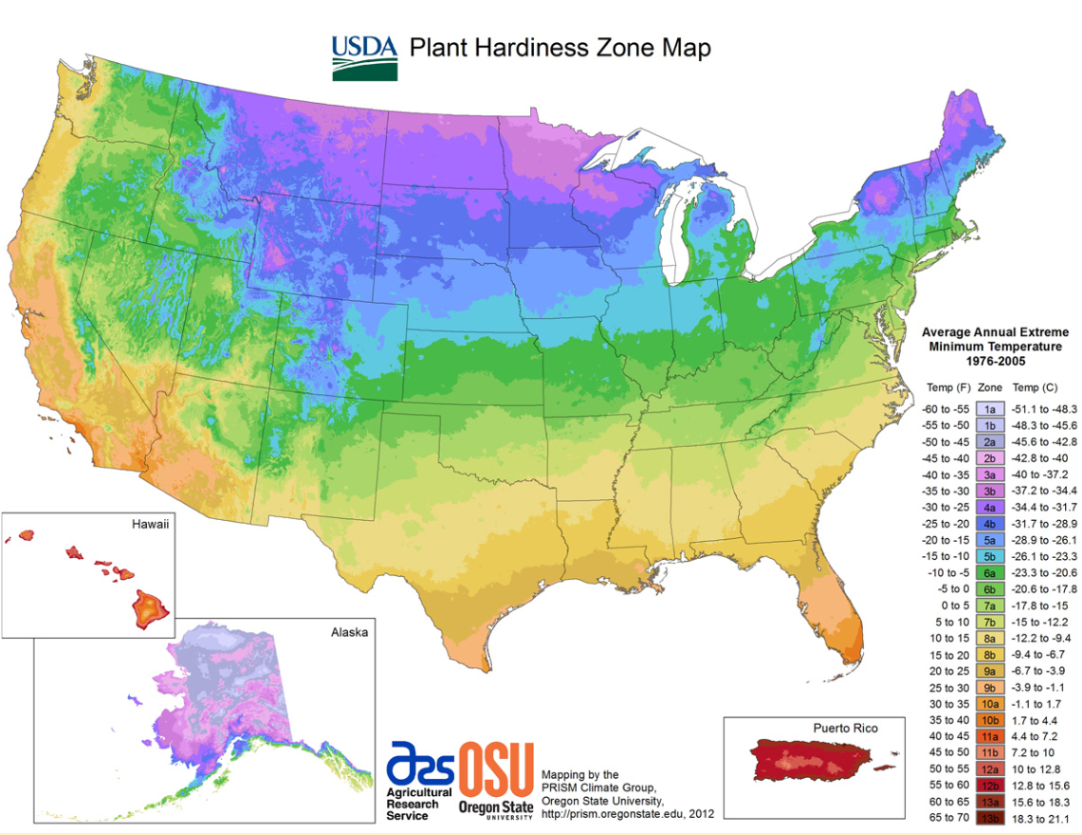
The USDA Plant Hardiness Zone Map helps gardeners, homesteads, and small farms understand which perennial plants are most likely to survive winter in their area. It is one of the most useful starting points before choosing fruit plants, herbs, flowers, perennials, shrubs, trees, and long-term garden crops.
https://planthardiness.ars.usda.gov/
Use the official USDA map to look up your exact zone by ZIP code or address. Highland Lakes, New Jersey can have local variation because of elevation, slope, shade, wind, water exposure, and nearby stone or pavement.
Extension and local learning resources
Extension offices are some of the best underused resources for real-world growing advice, especially for pests, local varieties, soil testing, and seasonal timing.
New Jersey and Extension Resources
-
Rutgers NJAES
New Jersey gardening education, troubleshooting, and seasonal guidance.
njaes.rutgers.edu -
Rutgers Cooperative Extension County Offices
Research-backed help for gardening, agriculture, and land stewardship in New Jersey.
njaes.rutgers.edu/county -
Rutgers Soil Testing Lab
Useful for pH, nutrient levels, and amendment planning.
njaes.rutgers.edu/soil-testing-lab
Why extension matters
- Local pest advice Better than generic internet answers when bugs or disease hit your crops.
- Climate-specific timing Helps with planting windows, pruning, frost planning, and crop selection.
- Soil and amendment help Saves money and guesswork.
- Workshops and events Many offices offer classes, webinars, and printed guides worth keeping.
Soil, compost, drainage, and land-use tools
Good gardening starts in the soil. Before spending heavily on plants or amendments, it helps to understand your soil type, drainage, pH, sunlight, and site conditions.
USDA NRCS Web Soil Survey
A powerful tool for learning about your soil type, drainage, limitations, and land capability.
websoilsurvey.nrcs.usda.gov
Soil Test Labs
A basic soil test can help with pH correction, fertility planning, and avoiding over-fertilizing. Check your state extension service first for the most relevant lab options.
Compost Basics
Track greens vs. browns, moisture, airflow, and what not to add. Composting turns waste into fertility and reduces dependence on purchased inputs.
Weather and seasonal planning tools
Weather matters as much as soil. Frost dates, rainfall, humidity, heat waves, and storm risk all affect planting, watering, disease pressure, and harvest timing.
Useful weather resources
-
National Weather Service
Reliable local weather forecasts and alerts.
weather.gov -
NOAA
Useful for climate context, weather information, and historical patterns.
noaa.gov - Frost Date Planning Search your ZIP code or town for expected first and last frost dates, then compare that with your own yard conditions.
What to watch
- Last spring frost — for transplant timing
- First fall frost — for succession planting and harvest planning
- Humidity — especially for tomatoes, mildew, and storage issues
- Rainfall — affects disease pressure and watering
- Heat waves — can stall lettuce, broccoli, peas, cilantro, and other cool-season crops
Seed starting and planting help
Most beginner frustration comes from timing, overcrowding, poor light, or inconsistent watering. A few basic resources and habits can make seed starting much more successful.
Seed packet instructions
Always start with the packet: depth, spacing, germination time, thinning, and days to maturity matter.
Planting calendars
Build or use a zone-based calendar so you know when to start seeds indoors, direct sow, and transplant.
Spacing and thinning
Overcrowding is one of the biggest causes of weak plants, poor bulbs, small roots, and disease pressure.
Everyday resources for homesteads and small farms
Not every resource is a chart. Some of the most useful tools are the ones that help you run your place better day to day.
Homestead systems to track
- Planting log — what went in, where, and when
- Harvest log — what came out and how much
- Compost log — what is breaking down and how it is performing
- Watering plan — barrels, hoses, drought response, and overflow
- Expense log — seeds, soil, amendments, containers, repairs
Good skills to build
- Seed saving — reduces dependence and preserves genetics
- Mulching — saves water and suppresses weeds
- Simple propagation — strawberries, herbs, cuttings, divisions
- Basic repair and reuse — crates, bins, fencing, salvaged materials
- Observation — noticing pests, disease, and plant stress early
Farm business and selling resources
If you sell starts, seed packs, produce, flowers, or value-added goods, organization matters. Simple systems are better than no systems.
USDA Local Food Portal
Useful for learning about local food infrastructure and nearby markets.
usdalocalfoodportal.com
Record keeping
Track inventory, pricing, sales, customer requests, seed stock, expenses, and what sold fastest.
Label clearly
Variety name, light needs, watering basics, price, and whether a plant is annual or perennial all help customers.
How these resources help local growers
A stronger local growing culture begins with usable information. When people can access practical tools, they waste less money, make better planting choices, and become more confident growers.
Benefits to the community
- More successful gardens — better food access and more confidence
- Stronger pollinator habitat — better support for bees and beneficial insects
- Local knowledge sharing — neighbors helping neighbors
- More resilience — skills that matter during hard seasons
Why this page exists
Highland Lakes Homestead wants to share not just plants, but useful knowledge. A good resource page should actually help people plant smarter, grow better, and build something lasting.