

SEE IT. LEAVE IT. TELL IT.
Youth firearm-safety education through spoken word and age-appropriate conversation.
Created by De'Ashia Wallace, known artistically as AJ P.R., SEE IT. LEAVE IT. TELL IT. is a developing educational campaign designed to help schools and community organizations open practical conversations about firearm exposure, safer choices, and reaching trusted adults.
SEE IT.
Recognize that a firearm may present serious danger.
Do not approach it simply because it has been noticed.
LEAVE IT.
Move away rather than touching, handling, or investigating it.
Distance is part of making a safer choice.
TELL IT.
Tell a trusted adult so the situation can be addressed appropriately.
Young people should not be expected to manage firearm risk themselves.
Adult responsibility and secure firearm storage remain central to reducing youth access and preventing harm.
Simple language for a serious conversation.
SEE IT. LEAVE IT. TELL IT. is being developed as an accessible way to begin firearm-safety conversations with young people without asking children to take responsibility for adult safety obligations.
The campaign uses spoken word, age-appropriate conversation, and community education to reinforce a clear response: recognize potential danger, create distance, and reach a trusted adult.
Programs may be adapted around age group, school or organizational setting, available time, audience needs, host policy, and the goals of the participating organization.
This public website provides an overview of the campaign only. Detailed curriculum, scenarios, facilitator materials, surveys, worksheets, unpublished creative work, and internal program resources are not published here.
Designed for community-facing settings.
Program discussions may be appropriate for organizations working with youth, prevention, education, health, safety, or community engagement.
What a visit may look like.
Specific content and format are discussed with the host before an engagement is confirmed.
Original Performance
Selected age-appropriate spoken-word material may create an entry point for conversation.
Guided Conversation
Facilitated, age-conscious discussion reinforcing recognition, distance, trusted adults, and community responsibility.
Customized Program
A host organization may discuss a program structure aligned with its audience, policies, prevention goals, and available professionals.
Built to work within the host's environment.
A school or community program should not be separated from the policies, professionals, safeguards, and responsibilities of the organization hosting it.
Prevention is bigger than one voice.
Future pilots and programs may create opportunities for collaboration across education, public health, youth services, community prevention, and public safety.
Start with a conversation.
Schools, agencies, organizations, sponsors, and community partners interested in helping develop responsible youth-facing programming are invited to reach out.
Paid Pilot & Sponsorship Inquiries Welcome
Conversations may include a paid pilot, sponsored program, institutional collaboration, school or district engagement, or future partnership opportunity.
SEE IT. LEAVE IT. TELL IT. is a developing program. No effectiveness claims, pilot outcomes, institutional endorsements, or completed partnerships should be inferred unless they are expressly identified as completed and verified.
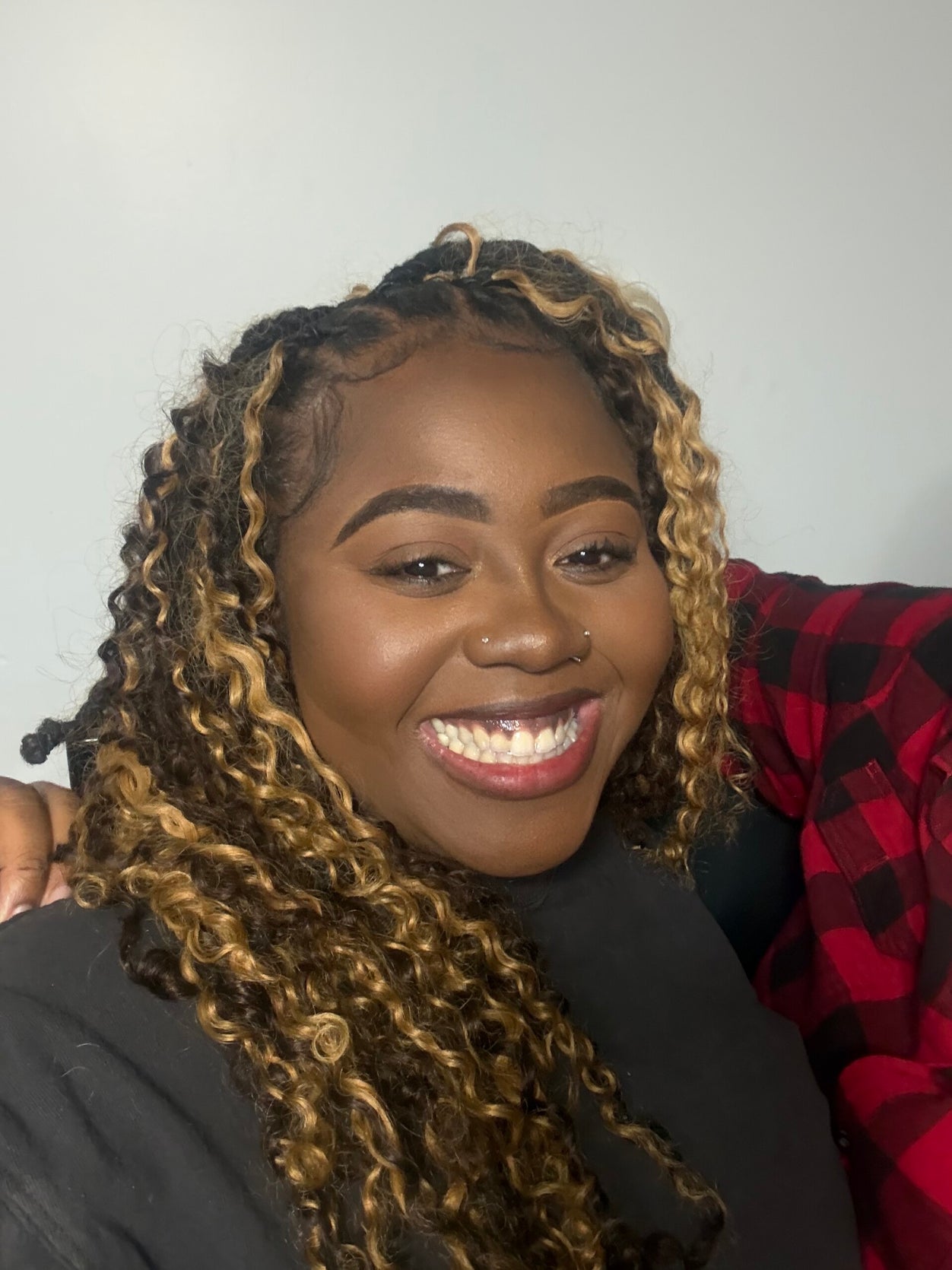
De'Ashia Wallace / AJ P.R.
Published author, poet, spoken-word performer, recording artist, community and teaching artist, and founder of My Pen Still Has Ink LLC.
De'Ashia uses original performance, writing, lived-experience storytelling, and community-centered creative work to open meaningful conversations around youth, family, identity, grief, violence, survival, healing, and community.
SEE IT. LEAVE IT. TELL IT. grows from that larger body of work while focusing specifically on age-appropriate youth firearm-safety education and prevention conversation.
Public overview. Protected program development.
This page is intended to introduce the purpose and public-facing framework of SEE IT. LEAVE IT. TELL IT.
The poem, curriculum sequence, scenarios, worksheets, survey questions, facilitator guides, internal presentations, unpublished creative works, program-development documents, and other detailed educational materials are intentionally not published here.
Ownership & Use
SEE IT. LEAVE IT. TELL IT. and its original program materials are developed by My Pen Still Has Ink LLC. Original campaign language, curriculum concepts, program structure, facilitator resources, worksheets, scenarios, surveys, presentations, creative works, and other unpublished program materials remain the intellectual property of My Pen Still Has Ink LLC and/or their respective creator, as applicable.
Open-Access Exception
These program materials are not released under Pyrrhic Press Publishing's general open-access, public-domain, or CC0 framework merely because this campaign page is hosted on PyrrhicPress.org.
Protected campaign materials may not be reproduced, adapted, distributed, published, or represented as official SEE IT. LEAVE IT. TELL IT. resources without authorization from My Pen Still Has Ink LLC or the applicable rights holder.
Tell De'Ashia what your organization is considering.
You do not need a finalized program plan before reaching out.
Start with your organization, location, participant ages, number of schools or classrooms, possible dates, and available budget.
School, community, sponsorship, institutional, public-health, and public-safety conversations are welcome.
mpshiofficial@gmail.comRequest a Pilot or Partnership Conversation
SEE IT. LEAVE IT. TELL IT. is a developing educational campaign and is not a substitute for emergency response, school safety procedures, professional medical guidance, law-enforcement protocols, or formal firearms training. In an immediate emergency, follow the host organization's emergency procedures and contact appropriate emergency services.